
Dark Mode Light Mode

Your voice.

Europe's Future Policy Economy  Climate Education Security Laws Relations
The Brief

Quick Briefs from last week

Inside EuropeJustice Policy and European LawRule of LawConstitutional CourtCourt of Justice of the European UnionDonald TuskEuropean UnionKarol NawrockiPISPolandTribunal

Poland’s Constitutional Court Crisis Escalates

Poland’s long-running dispute over judicial independence has escalated into a confrontation between Donald Tusk’s government and President Karol Nawrocki at the Constitutional Tribunal.
Updates
News: Polish President Karol Nawrocki sets a firm condition for meeting Prime Minister Donald Tusk amid tensions between the presidential palace and government (Wirtualna Polska)
News: Poland’s government signals openness to EU mediation in its escalating Constitutional Tribunal crisis, according to the justice minister (EUObserver)
News: Polish Deputy Prime Minister Władysław Kosiniak-Kamysz proposes constitutional amendments to replace all Constitutional Tribunal judges, while parliamentary speaker Włodzimierz Czarzasty doubts sufficient support can be secured (Polskie Radio)
Commentary: Donald Tusk’s efforts to reclaim Poland’s Constitutional Tribunal are justified, but his methods raise concerns about the rule of law (EUObserver)
News: Poland’s PiS files criminal complaint against eight Constitutional Tribunal judges as parliamentary leader Mariusz Błaszczak accuses them of acting as an organised criminal group (Polskie Radio)
News: Polish Prime Minister Donald Tusk proposes talks with President Karol Nawrocki to ease Constitutional Tribunal crisis (Euronews)
News: Eight Polish Constitutional Tribunal judges claim quorum and approve 2027 budget amid deepening leadership crisis (Notes from Poland)
Analysis: Poland’s Constitutional Tribunal crisis deepens political divisions ahead of the 2027 election (POLITICO)
News: Poland’s Constitutional Tribunal faces crucial test amid escalating political power struggle (Rapporteur)
Explainer: Poland’s political right turns Constitutional Tribunal dispute into an electoral battleground, drawing the EU into the conflict (EUObserver)
Analysis: Poland’s Constitutional Tribunal crisis raises questions about how to restore the court’s public legitimacy and trust in the rule of law (ECFR)
Update (02.11.2026): Explainer: Reuters examines the causes of Poland’s constitutional crisis and the political struggle over its highest court (Reuters)
Update (02.11.2026): News: European Commission backs Donald Tusk’s government amid Poland’s escalating Constitutional Tribunal crisis (Rapporteur)
Update (01.11.2026): News: Polish president holds crisis talks following dramatic confrontation at the Constitutional Tribunal (Le Monde)
Update (01.11.2026): Analysis: Poland’s Kaczyński stages constitutional court confrontation and raises prospect of Polexit as he launches his 2027 political comeback bid (EUObserver)
Leadership disputed: Judge Anna Korwin-Piotrowska announced the suspension of Tribunal president Bogdan Święczkowski on 30 October and assumed its leadership. The move’s legality is contested
Long-running conflict: The crisis began under PiS in 2015. Since replacing its government in December 2023, Tusk’s coalition has sought to reverse judicial changes criticised for politicising the courts
Political confrontation: Nawrocki, backed by PiS, calls the latest intervention a forcible takeover. Tusk says it restores the rule of law, following blocked appointments of parliament-elected judges
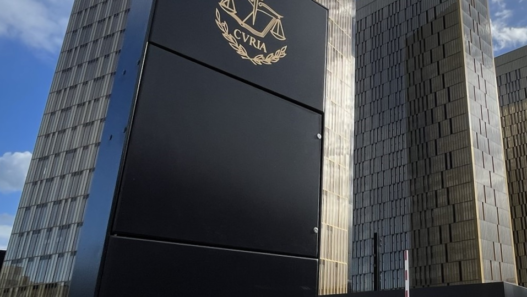
European stakes: In December 2025, the EU’s highest court found that appointment irregularities undermined the Tribunal’s independence and that its rulings breached fundamental EU-law principles
Sources: Euronews, Reuters, Court of Justice of the EU
Transparency Note: Prepared with AI assistance.
read
RussiaUkraineWar in Ukraineexchangepeace talksPOWsRussiaUkraineUkraine war

Negotiations Continue Since Russia and Ukraine Agreed to Exchange POWs

While the peace talks between Ukraine and Russia continue to have major differences, the countries have agreed on a major exchange of POWs.
Russia and Ukraine agree to a major prisoners exchange at peace talks in Abu Dhabi
US mediators reported that major differences remain in the agreement, including territory
The two countries are set to determine the number of exchanged POWs on November 12
If completed successfully, this will be the biggest humanitarian exchange since the beginning of the war
Source: AP News
read
European GovernanceIndo-PacificTechnology and Digital PolicyCouncil of the EUDigital Fairness ActEuropean CommissionEuropean ParliamentEuropean UnionOnline Manipulation

EU Proposes Digital Fairness Act to Curb Online Manipulation

The European Commission presented the Digital Fairness Act on 11 November, proposing EU-wide rules against manipulative design, hidden advertising and subscription traps.
App and website design: The proposal would ban fake low-stock warnings and let users switch off features that encourage compulsive spending.
Ads and subscriptions: Influencers would have to disclose paid promotions. The proposal would also restrict unfair personalised ads targeting minors and make subscriptions easier to cancel.
Cross-border enforcement: A separate proposal would let the Commission investigate major cross-border cases and impose fines of up to 6% of a company’s worldwide annual turnover.
What comes next: The European Parliament and Council will examine both proposals. Consumer law professor Christoph Busch says the Act could fill gaps in existing EU rules for online shops and gaming services.
Sources: European Commission, EUobserver
Transparency Note: AI-assisted. Reviewed by the Briefing Team.
read
Economic PolicyMonetary PolicySecurity & DefenceBudgetCouncil of the EUEU BorrowingEuropean CommissionGeneral Affairs CouncilMultiannual Financial Framework

Frugals vs. Friends of Cohesion: EU Budget Battle Intensifies

Six fiscally conservative EU countries are demanding major cuts to Brussels’ proposed €2 trillion budget for 2028–2034, setting up a difficult fight over Europe’s future spending priorities. The 27 member states want to have a decision by the end of the year.
Updates
Official Announcement: Council of the EU and European Parliament reach an agreement on the EU’s 2027 annual budget (Council of the EU)
News: European Council President António Costa plans to present a new compromise on the EU’s long-term budget within 10 days (Rapporteur)
News: German Chancellor Friedrich Merz and Hungarian Prime Minister Péter Magyar clash over EU financial support for Ukraine and the bloc’s next long-term budget (Rapporteur)
Interview: Estonia rejects Germany’s calls for cuts to the EU’s next long-term budget (Rapporteur)
News: German Chancellor Friedrich Merz warns that failure to agree on EU aid for Ukraine could block negotiations on the bloc’s next long-term budget (Euronews)
Interview: EU’s real deadline for reaching an agreement on its next long-term budget comes into focus (Rapporteur)
News: EU budget disputes stall key Brussels priorities, including AI chips, Arctic policy and agriculture (POLITICO)
News: Finland warns that EU financial support for Ukraine must not depend on negotiations over the bloc’s long-term budget (Rapporteur)
News: Firefighters from 19 countries protest proposed EU disaster response budget cuts in Brussels (EUObserver)
Update (02.11.2026): News: European cultural organisations warn of severe consequences as proposed EU budget cuts threaten to reduce cultural funding by 30% (EUObserver)
Update (30.10.2026): News: EU tobacco tax revenue forecasts fall sharply amid negotiations over the bloc’s next long-term budget (Rapporteur)
Update (27.10.2026): Analysis: Ukraine’s €70 billion funding shortfall threatens to complicate negotiations over the EU’s next long-term budget (Euronews)
Update (26.10.2026): News: Austria threatens to veto the EU budget (Rapporteur)
Update (26.10.2026): News: EU foreign aid chief says little is changing in Africa despite development efforts (Rapporteur)
Update (26.10.2026): News: Rising debt costs and fraud allegations increase pressure on the EU budget (Rapporteur)
Update (23.10.2026): Interview: António Costa targets November agreement on EU budget (Rapporteur)
Update (22.10.2026): News: MEPs seek €7 billion more for Erasmus despite opposition from budget-conscious EU governments (EUobserver)
Update (21.10.2026): Analysis: Who will stand up for Global Europe? (PubAffairs Bruxelles⁠)
Update (20.10.2026): News: EU budget negotiations raise questions over costs and funding (Rapporteur)
Update (19.10.2026): Analysis: EU faces a perfect political storm amid mounting challenges (POLITICO⁠)
Update (16.10.2026): Interview: Irish minister says EU budget deal still possible by Christmas (YouTube⁠)
Update (16.10.2026): Interview: Cyprus president proposes shortening EU budget to three or four years (POLITICO⁠)
Update (16.10.2026): News: Costa targets November EU budget showdown (POLITICO⁠)
Update (16.10.2026): News: Costa proposes new EU taxes to break budget deadlock (Rapporteur⁠)
Update (15.10.2026): Podcast: Europe faces a new battle over the EU budget (ECFR⁠)
Update (15.10.2026): News: 17 European leaders issue joint statement on EU cohesion funding (Italian Government⁠)
Update (14.10.2026): News: EU leaders consider deep budget cuts as joint borrowing expands (EUobserver⁠)
Update (14.10.2026): News: EU capitals weaken budget deal deadline (POLITICO⁠)
Update (13.10.2026): News: France sets EU budget red lines on tech taxes and Buy European (Rapporteur⁠)
Update (13.10.2026): Interview: Austrian EU Affairs Minister Claudia Bauer rejects artificial budget deadline (Rapporteur⁠)
Update (13.10.2026): News: Spain hosts Friends of Cohesion meeting on next EU budget (Spanish Ministry of Foreign Affairs⁠)
Update (12.10.2026): Opinion: Will MEPs challenge €141bn in EU budget cuts? (EUobserver⁠)
Update (11.10.2026): News: MEPs warn Irish EU budget plan risks historic failure as €141 billion in cuts spare agriculture and cohesion funds (EUobserver⁠)
Update (11.10.2026): News: European Commission warns that EU budget cuts could undermine funding for crisis response (POLITICO⁠)
Update (10.10.2026): EU's Irish presidency wants 8% cut to proposed 2028-2034 budget plan (Reuters)
Update (08.10.2026): Opinion: Cut the EU budget and we all lose (EUobserver)
Update (08.10.2026): News: EU countries brace for €100B-€200B smaller budget (Politico)
Update (08.10.2026): Analysis: EU’s 2028-2034 budget proposal creates new conflicts over spending priorities and financial burden-sharing (SWP⁠)
Update (08.10.2026): News: EU auditors warn of major budget shortfall unless the EU introduces new sources of revenue (Rapporteur⁠)
Update (07.10.2026): News: Iran war shock expected to shrink next EU budget (Rapporteur⁠)
Update (06.10.2026): News: Von der Leyen rebukes EU budget frugals over demands for deeper spending cuts (Rapporteur⁠)
Update (29.09.2026): News: EU governments brace for €100 billion cut to long-term budget proposal (POLITICO⁠)
Update (29.09.2026): News: EU cuts funding for women’s rights groups amid wider budget reductions (EUobserver⁠)
Update (29.09.2026): News: MEPs back €47 billion in new Erasmus funding as frugal states seek EU budget cuts (EUobserver⁠)
Update (29.09.2026): Commentary: EU budget cuts risk hurting member states’ own regions (EUobserver⁠)
Update (29.09.2026): News: EU leaders battle over budget as Parliament prepares resistance (Rapporteur⁠)
Update (25.09.2026): News: 12 countries oppose French push for EU defence preference (Euractiv⁠)
Update (23.09.2026): News: EU governments consider cutting development aid by up to 40 percent (EUobserver⁠) 
Update (23.09.2026): News: Greece proposes EU-wide telecoms levy to fund budget and high-tech investment (Euractiv⁠)
Update (22.09.2026): News: France opposes cuts to foreign aid in next EU budget (POLITICO⁠)
Update (22.09.2026): News: Results of the General Affairs Council (Irish EU Presidency⁠)
Update (22.09.2026): News: France opposes cuts to foreign aid in next EU budget (POLITICO⁠)
Update (22.09.2026): News: Germany rejects Costa’s push for new EU budget taxes (POLITICO⁠)
Update (22.09.2026): News: EU ministers meet in Brussels for General Affairs Council (Council of the EU⁠) 
Update (21.09.2026): Analysis: EU budget could strengthen rule of law safeguards but member states may blunt reforms (CER⁠)
Update (21.09.2026): News: Costa says EU budget needs new taxes governments are not already raising (POLITICO⁠)
Update (18.09.2026): News: Germany and Spain go head-to-head in EU budget fight (POLITICO⁠)
Update (17.09.2026): News: MEPs deadlocked over CAP’s place in next EU budget (Euractiv⁠)
Update (15.09.2026): News: Metsola urges Europe’s political centre to hold against extremes (Euractiv⁠)
Update (14.09.2026): News: EU plans cuts to staff and salaries in next long-term budget (POLITICO⁠)
Update (14.09.2026): News: EU countries split over scale of long-term budget cuts (Euractiv⁠)
Update (09.09.2026): News: Germany calls for hundreds of billions in EU budget cuts (Reuters⁠)
Update (09.09.2026): News: Costa says new EU taxes would reduce national contributions (POLITICO⁠)
Update (08.09.2026): News: France backs business tax to fund EU budget (Euractiv⁠)
Update (07.09.2026): News: Le Pen backs tobacco retailers against EU tax hikes (Euractiv⁠)
Update (07.09.2026): News: Ireland secures EU tax deal on carbon imports and e-waste (POLITICO⁠)
Update (04.09.2026): News: Spain urges EU climate adaptation fund and binding targets (Reuters⁠)
Update (04.09.2026): Commentary: EU budget could loosen China’s grip on critical raw materials (Euronews)
Update (03.09.2026): News: EU budget negotiators criticise frugal states over cuts (EUobserver)
Update (03.09.2026): Interview: Lithuania says eastern flank needs must shape EU budget (Euractiv)
Update (02.09.2026): News: Spain worried by EU budget debate (Euractiv)
Update (02.09.2026): News: EU budget camps remain deadlocked (EUobserver)
Update (31.08.2026): News: Ireland seeks to break EU budget deadlock (POLITICO)
Update (27.08.2026): Europe’s defence promise meets budget reality (ECFR)
Quick Brief:
Germany, Denmark, the Netherlands, Austria, Finland and Sweden want cuts of several hundred billion euros
The European Commission has proposed a nearly €2 trillion seven-year budget for 2028–2034
The six still want priority spending on defence, competitiveness, migration and European sovereignty
They reject new joint EU borrowing and demand cuts across spending areas as national budgets face consolidation
Sources: Euractiv, Reuters, Council of the EU
Transparency Note: Use of AI
read
Inside EuropeBudgetMichal ŠimečkaParliamentary MajorityRobert FicoSlovakia

Fico Loses Reliable Majority in Slovakia

Slovak Prime Minister Robert Fico’s coalition can now count on only 75 of 150 MPs after another defection, prompting the opposition to call for early elections.
Updates
News: Slovak Prime Minister Robert Fico suffers parliamentary defeat over controversial criminal justice reform, prompting opposition calls for snap elections (AFP via 24 News HD)
News: Slovak Prime Minister Robert Fico rules out early elections despite losing his parliamentary majority, blaming coalition partners SNS and Hlas (TASR)
Latest defection: On 3 November, MP Roman Malatinec left the Rural Party and joined a group led by former environment minister Tomáš Taraba. The coalition postponed parliamentary votes for a week
Coalition rift: Taraba returned to parliament after the Slovak National Party (SNS), a junior coalition partner, voted with the opposition to remove him in September. His group says it will assess bills individually
What’s next: Opposition leader Michal Šimečka called for a snap election. The loss of reliable backing does not automatically bring down the government. The next regular election is due in September 2027
European stakes: The split makes it harder for Fico’s government to pass its 2027 budget, a key test of whether the coalition can still govern without a dependable majority
Sources: Rapporteur, iROZHLAS, Reuters
Transparency Note: Prepared with AI assistance.
read
Climate PolicyEnergy PolicyEnvironmental PolicyUnited NationsAustraliaClean ElectricityCOP31Council of the EUEuropean UnionFossil FuelsUNEP

Fossil Fuels and Climate Finance Top COP31 Agenda

Governments meet in Antalya from 9 to 20 November to discuss how to move away from fossil fuels and close the funding gap for countries adapting to climate change.
Updates
News: UN Secretary-General António Guterres warns of accelerating climate change at COP31 and urges stronger global action on fossil fuels and climate justice (Reuters, United Nations)
Official Announcement: EU signs Global Geothermal Pledge at COP31, reaffirming its commitment to expanding geothermal energy as part of the clean energy transition (European Commission)
Official Announcement: EU and Organisation of African, Caribbean and Pacific States reaffirm climate commitments at COP31, focusing on translating shared priorities into concrete action (Council of the EU)
Analysis: Six key issues to watch at COP31 climate talks, including emissions reductions, climate finance and international cooperation (Rapporteur)
News: Turkish villagers urge COP31 leaders to witness the environmental devastation caused by coal mining and energy production (Reuters)
The summit: Turkey hosts COP31, while Australia leads the negotiations. Heads of state and government meet on 11 and 12 November
Fossil fuels: Brazil’s outgoing COP presidency published a voluntary roadmap on 3 November. It calls for fossil fuel production and demand to fall as clean energy expands
Adaptation finance: Developing countries received $28.2–31.7 billion in international public adaptation finance in 2024. The UN Environment Programme estimates they will need around $305 billion annually by 2035
EU position: The EU will press governments to implement their national climate plans, accelerate the shift away from fossil fuels and expand the use of clean electricity
Sources: Council of the EU, COP30 Presidency, UNEP, UNFCCC
Transparency Note: AI-assisted. Reviewed by the Briefing Team.
read
European GovernanceMiddle East RelationsBritainEuropean UnionIrelandIsraelSanctionsSettlersWest Bank

The EU and Sanctions on Violent Israeli Settlers

Amid rising settler violence in the West Bank, the European Union has begun taking limited action against extremist Israeli settlers while internal divisions still constrain tougher measures.
Updates
Commentary: Escalating Israeli settler violence threatens Palestinian communities and the olive harvest in the occupied West Bank (EUObserver)
News: Israeli settler violence threatens Palestinian children’s access to education in the occupied West Bank (DIE ZEIT⁠, The Guardian⁠, UN OCHA⁠)
News: European Parliament trade committee chair Bernd Lange criticises the European Commission for invoking EU voting rules to avoid banning imports from Israeli settlements (EUObserver)
Update (22.10.2026): News: Israeli settlers steal Palestinian olive harvests as attacks on farmers grow increasingly violent in the West Bank (Reuters)
Update (18.10.2026): News: France urges Israel to arrest attackers of EU diplomats (POLITICO⁠)
Update (18.10.2026): News: European diplomats attacked by Israeli settlers in West Bank (BBC News⁠)
Update (15.10.2026): News: Israeli settlers injure Palestinians and US journalist during West Bank harvest attack (BBC News⁠)
Update (14.10.2026): News: EU funding raises concerns over Israeli firms developing surveillance technology (EUobserver⁠)
Update (11.10.2026): Commentary: EU leaders accused of remaining silent on Israel despite renewed attention to Gaza genocide allegations (EUobserver⁠)
Update 08.09.2026: Britain’s east Jerusalem consulate is downgraded (AP)
Update (23.09.2026): News: Israeli bond sales halted across EU in de facto €2.2bn sanction (EUobserver⁠)
Update (14.09.2026): News: Israeli rights group B'Tselem accuses Israel of dismantling Palestinian existence in West Bank (RFI⁠)
Update (08.09.2026): Analysis: Britons back Israeli settlement trade ban by more than two to one (ECFR⁠)
Update (08.09.2026): News: Israel closes British consulate in East Jerusalem over settlement trade ban (Reuters⁠)
Update (08.09.2026): News: Eleven European countries and Canada sanction Israeli settlement products (Le Monde⁠)
Update (08.09.2026): News: France and Canada join UK sanctions on Israeli settlements (POLITICO⁠)
Update (08.09.2026): News: UK plans trade restrictions on West Bank settlements (BBC News⁠)
Update (30.08.2026): Interview: Irish MEP says trade is EU’s only leverage over Israel (EUobserver)
Update (28.08.2026): Commentary: EU favours reforms over pressure on Israel (EUobserver)
Update (July 09, 2026): EU pitches trade ban with Israeli settlements (Euractiv)
Update (July 08, 2026): Ireland passes bill banning goods from Israeli settlements (Euractiv)
Update (June 18, 2026): Israel cuts ‘all contact’ with Kaja Kallas over apartheid comments (Euractiv)
Update (June 16, 2026): Kallas' plan to punish Israel rejected by the Commission (Euractiv)
Update (June 15, 2026): Kallas said she will ask the European Commission to propose further restrictive measures on trade against illegal Israeli settlements (Euractiv)
May 11, 2026:
Sanctions reflect rising settlement violence and humanitarian crises in the Palestinian territories
Hungary’s new government ended the veto blocking them
Stronger trade sanctions were not agreed upon
Critics say the measures remain limited despite rising West Bank violence
Source: The Guardian
Here is a commentary by ECFR on the topic
read
European GovernanceInside EuropeSecurity & DefenceAviation SecurityBorder SecurityCybersecurityDIsinformationHybrid ThreatsPolandSupermarket Refrigeration SystemsWeekly Briefing

European Security Faces Multiple Hybrid Threats

Aviation bomb threats, suspected cyberattacks and security concerns along NATO’s eastern border have exposed vulnerabilities across Europe, although no coordinated campaign has been established.
Updates
News: Schools evacuated in the UK and across Europe following a wave of bomb threats, raising concerns over coordinated security disruptions (Metro)
News: At least 300 schools across Italy evacuated following emailed bomb threats (Reuters)
News: European Commission plans security talks after a wave of bomb hoaxes disrupted 20 airports and dozens of flights across Europe (EUObserver)
News: France blames Iran for cyberattacks targeting supermarket refrigeration systems (POLITICO)
News: Bomb threats accompanied by the warning “The clock is ticking” disrupt television broadcasters across Europe, raising concerns over coordinated intimidation (Reuters)
News: More European flights face bomb threats, raising concerns over aviation security (POLITICO)
Aviation Security: Bomb threats disrupted flights across Europe, prompting diversions and heightened security measures. The European Commission strengthened information-sharing, while investigations continue into possible coordination behind the incidents
Border Security: Poland reported suspicious movements near its border with Russia’s Kaliningrad region. Prime Minister Donald Tusk warned of possible provocations, but the intentions behind the activity remain unclear
Cybersecurity: Suspected cyberattacks disrupted supermarket refrigeration systems in several European countries, exposing vulnerabilities in civilian infrastructure. Russian involvement has been suggested but remains unconfirmed
Disinformation and Preparedness: Reports of Russian disinformation affecting NATO support in Montenegro and Albania highlight security challenges in the Western Balkans. Separately, European military exercises in Poland underline efforts to strengthen defence cooperation
Sources: Rapporteur, POLITICO Europe, Reuters, France 24, POLITICO Europe, POLITICO Europe, EUobserver
AI Transparency Note
read
Inside EuropeHousingStrikeTenant GroupsTrade Unions

Spain’s Housing Strike Puts Pressure on Parties

Spain’s first nationwide general strike since 2012 disrupted public transport on 11 November, putting housing affordability in the spotlight ahead of the 29 November snap election.
Updates
News: Spain sees its first general strike in 14 years as unions report four million participants protesting the housing crisis, with clashes in major cities (Reuters)
The strike: Trade unions CCOO and UGT called the walkout with tenants’ groups. Unions reported strong turnout in some sectors, while employers said participation was low across most of the economy.
The demands: Organisers want rent controls, stronger eviction protections, more public housing and higher wages.
The political divide: Prime Minister Pedro Sánchez called the election after parliament rejected two housing decrees. Opposition leader Alberto Núñez Feijóo criticised the strike, while unions said their demands targeted all levels of government.
The election: The formal campaign begins on 13 November, two days after the strike. Voters elect both chambers of parliament on 29 November.
Sources: UGT, AFP via The Local Spain, Spanish Official Gazette
Transparency Note: AI-assisted. Reviewed by the Briefing Team.
read
Cyber SecurityRussiaWar in UkraineCyberattacksHackingRosstatWar Deaths

Russian Statistics Hack Exposes the War’s Uneven Toll

Belarusian Cyber Partisans and the pro-Ukrainian group Silent Crow say they obtained Russian death records that point to a disproportionate toll in poorer regions during Russia’s war against Ukraine.
The attack: Rosstat confirmed cyberattacks, said it found no evidence of a database breach and extended some reporting deadlines to 13 November.
The death toll: The groups estimate 394,000 to 450,000 war-related deaths using different criteria. The Moscow Times verified a sample, and the full dataset remains unverified.
Regional losses: Through mid-2024, the war accounted for about one in three deaths among men aged 18 to 49 in Buryatia, Tuva and Zabaykalsky Krai, versus one in ten in Moscow and St. Petersburg.
Recruitment: Military pay and signing bonuses helped draw recruits from poorer regions. How many of those killed were called up remains unclear.
Sources: The Guardian, The Moscow Times, German Institute for International and Security Affairs
Transparency Note: AI-assisted. Reviewed by the Briefing Team.
read
Agricultural PolicyInside EuropeCAPCopa-CogecaEU FundingEuropean CommissionEuropean UnionFarmersFood Security

Farmers Plan Dublin Rally Over EU Funding

The Irish Farmers’ Association plans a rally in Dublin on 13 November, as EU leaders meet in the city, to oppose proposed changes to farm funding after 2027.
The protest: Organisers plan to plough “No CAP Cuts” into a field beside Dublin Airport so arriving leaders can see it
European backing: EU farm lobby Copa-Cogeca will use the rally to launch a campaign linking farm support to Europe’s food security
The proposal: The European Commission would set aside at least €300 billion for farm income and crisis support in 2028-2034. Member states could fund other agricultural and rural programmes through broader national plans
The dispute: Farm groups want dedicated funding for the Common Agricultural Policy (CAP) protected. The Commission says its proposal gives member states more flexibility to meet local needs
Sources: Irish Farmers’ Association, Rapporteur, European Commission
Transparency Note: AI-assisted. Reviewed by the Briefing Team.
read
Inside EuropeFar-Right IdeologyKrakówPolandPoliceShootingSix People KilledTerrorism

Poland Investigates Deadly Kraków Shooting

Polish prosecutors are investigating the 7 November shooting that killed six people in Kraków’s Main Market Square as a terrorist offence. The motive remains under investigation.
Updates
Analysis: The deadly Krakow shooting exposes Poland’s political divisions and risks creating opportunities for Russian interference (EUObserver)
News: Poland faces mounting political tensions after a deadly shooting deepens divisions across the country (France 24)
News: Suspect in Krakow mass shooting dies in hospital, Polish police confirm (Reuters)
The attack: A gunman drove into the square and opened fire, wounding 15 people in addition to those killed. Police shot and wounded the 24-year-old suspect
Possible motive: Interior Minister Marcin Kierwiński said evidence pointed to the suspect’s interest in far-right ideology. As of 9 November, investigators had yet to question him because of his medical condition
Wider investigation: Police found the bodies of the suspect’s parents and sister at the family home in Ostrowiec Świętokrzyski. Prosecutors are also investigating their deaths
National mourning: Poland declared two days of national mourning on 8 and 9 November. A British man and an Austrian woman were among the six people killed in Kraków
Sources: Polish Government, AP, The Guardian
Transparency Note: AI-assisted. Reviewed by the Briefing Team.
read

Funding Lead

Social Media Coordinator

People & Culture Lead

Media Editor

Analyst (Ukraine Section)

WordPress Developer

At the European Relations Association, early-career researchers, students, and young professionals can gain publishing experience and other forms of professional exposure with us at an early stage. We aim to make this opportunity accessible to as many young people as possible through voluntary positions for those who wish to contribute to a high-quality European discourse alongside their studies and/or professional commitments.
Worth Revisiting

Quick Briefs from previous weeks

Climate PolicyEurope in the worldDroughtEl NiñoEuropean CommissionFloodsHeatSomaliaThailandWFP

‘Godzilla’ El Niño Raises Flood and Hunger Risks

Aid agencies are moving supplies into flood-prone areas of Somalia ahead of an exceptionally strong El Niño, as the EU mobilises €13.5 million to help eastern and southern Africa prepare.
Climate outlook: El Niño is the warm phase of a natural Pacific climate cycle. This episode is expected to peak around December and is adding heat to a climate already warmed by human activity
Early action in Somalia: The International Committee of the Red Cross is sending water treatment supplies and training local responders in boat rescues before floods can cut off roads and airstrips
Food security: The World Food Programme estimates that at least 49 million more people across 45 countries could face acute food insecurity by the end of 2027. In Thailand, drought threatens the winter rice harvest
EU response: The European Commission announced €13.5 million on 6 November, including €6 million for Somalia to prepare evacuation sites, provide emergency cash and expand health and nutrition services
Sources: DIE ZEIT, WFP, European Commission
Transparency Note: AI-assisted. Reviewed by the Briefing Team.
read
Inside EuropeDeathsÓscar PuenteSpainToledoTrain Crash

Deadly Train Crash Shakes Spain

At least 68 people have died after two high-speed trains collided near Urda, central Spain, on 28 October, prompting an investigation and national mourning.
Updates
News: European prosecutors open second fraud investigation into Spain’s high-speed rail sector following a fatal train crash (POLITICO)
Commentary: Two fatal train disasters in less than a year raise serious concerns about railway safety in Spain (EUObserver)
News: Spanish Prime Minister Pedro Sánchez appoints Economy Minister Carlos Cuerpo as interim transport minister following Óscar Puente’s resignation over deadly train crash (POLITICO)
News: Spanish transport minister offers resignation following deadly train crash (Rapporteur)
Update (01.11.2026): News: Spain’s opposition People’s Party joins Vox in announcing plans to participate in judicial proceedings over the deadly Toledo train crash (Europa Press)
Update (29.10.2026): News: Spanish train drivers stage nationwide strike demanding improved railway safety following deadly Toledo crash (EFE, SEMAF)
Update (29.10.2026): Analysis: Deadly train crashes expose safety concerns and turn Spain’s high-speed railways into a political liability (POLITICO)
Update (29.10.2026): News: Spanish Prime Minister Pedro Sánchez pledges tough action over possible safety failures following the Toledo train crash (Euronews)
Update (29.10.2026): News: Spanish rescue teams search wrecked trains for survivors following deadly crash (Reuters)
Update (29.10.2026): News: Deadly train accident in Spain raises concerns over railway safety (AP News)
Update (28.10.2026): Visual Report: Reuters examines Spain’s deadly train crash through graphics and visual analysis (Reuters)
Update (28.10.2026): Analysis: Spain’s deadly train disaster further complicates Prime Minister Pedro Sánchez’s already difficult re-election prospects (POLITICO)
Quick Brief:
A Renfe AVE struck a stationary Iryo train on the Madrid-Seville route near Urda, Toledo province. More than 540 passengers were aboard
Regional authorities reported at least 68 deaths and dozens of injuries. The figures remain provisional
Transport Minister Óscar Puente said investigators are examining a control-centre instruction following a signalling-system failure. The cause has not been conclusively established
Spain declared three days of mourning, from 29 to 31 October. High-speed services between Madrid and Andalucía were suspended
Sources: Rapporteur, Euronews, Spanish Government
Transparency Note: Prepared with AI assistance.
read
Foreign PolicyGeopoliticsSecurity & DefenceTrade PolicyTransatlantic RelationsWar in UkraineCongressEuropean UnionMidtermsRussiaSenateUSA

US Midterms, A Blue Tsunami, But Europe’s Uncertainty Remains

The US midterms changed congressional majorities drastically, while Europe remains exposed to uncertainty over American security commitments, funding and trade policy.
Updates
Commentary: Europe should expect little change in US foreign policy despite President Donald Trump’s midterm election defeat (Le Monde)
Analysis: Donald Trump’s midterm election setback does not diminish his presidential powers, leaving Europe exposed to continued US policy uncertainty (ECFR)
Analysis: European leaders remain largely silent on US President Donald Trump’s midterm election defeat, fearing a hostile response from Washington (EUObserver)
Analysis: Europe can strengthen transatlantic relations through closer cooperation with the US Congress and individual states (CER)
Analysis: Trump’s US midterm defeat raises questions about its implications for Europe and global financial markets (Euronews)
Analysis: Trump’s midterm setback gives US trading partners greater leverage to resist his trade policies (Reuters)
News: Democrats win control of the US House and approach a Senate majority as Republicans suffer major midterm losses (Rapporteur)
Analysis: Former US ambassador to the EU warns Trump could pursue a more confrontational foreign policy following a Democratic takeover of Congress (EUObserver)
Analysis: Why Europe should not celebrate a potential Democratic victory in the US midterm elections (POLITICO)
News: Trump faces crucial midterm election test as control of Congress hangs in the balance (Reuters)
Podcast: Briefed examines what’s at stake for Europe in the US midterm elections (Briefed)
News: Brussels downplays the prospect of a Trump setback in the US midterm elections (Rapporteur)
News: Trump White House prepares strategy to govern without congressional support if Democrats win the US midterm elections (Reuters)
Analysis: NATO allies fear Trump could turn against the alliance following a potential Republican defeat in the US midterm elections (POLITICO)
News: US election campaigns enter their final weekend as Democrats and Republicans battle for control of Congress (Reuters)
Analysis: Democrats hope to overcome decades of electoral defeats in Texas as a potential political breakthrough approaches (Reuters)
Podcast: ECFR explores the future of democratic foreign policy after Trump (ECFR)
Analysis: ECFR examines what US political volatility and a weakened Democratic Party mean for Europe (ECFR)
Commentary: Trump’s proposed deals with Russia raise questions over Europe’s role and Ukraine’s sovereignty (ECFR⁠)
Congressional powers: The 3 November elections determine control of Congress. New majorities could strengthen oversight, while the president retains substantial foreign-policy authority
Ukraine and defence: Delays or withholding of approved US funding complicate European planning for Ukraine, security and development assistance
Trade relations: US tariffs remain a source of transatlantic tension, with Russian energy imports creating additional exposure to American pressure
European preparedness: The report identifies contingency funding, reduced Russian energy dependence and coordinated trade responses as ways to manage continued uncertainty
Sources: ECFR, US Government Accountability Office, USAGov
Transparency Note: Prepared with AI assistance.
read
Economic PolicyEducation PolicyInside EuropeSecurity & DefenceBudgetDenmarkStudent Protests

Danish Students Protest Grant Cuts

Thousands of students marched to Denmark’s parliament on 4 November against proposed cuts to student grants, echoing recent education protests in France.
The protest: Organisers say more than 13,000 students marched in Copenhagen. They later asked four ministers for talks
The proposal: Denmark’s draft 2027 budget would scrap grants for students living with their parents if their parents’ combined annual income exceeds about DKK 710,000, and reduce grants for some below that threshold
The budget dispute: Protesters oppose cutting student support to fund higher defence spending. Coalition ministers defended the proposal as a budget compromise
European context: Danish and French students have both mobilised over education. In Denmark, the focus is on grants and graduate benefits. In France, protests have centred on school funding and staffing
Sources: Danish Higher Education Ministry, Ritzau, Euronews
Transparency Note: Prepared with AI assistance.
read
ChinaEconomic PolicySecurity & DefenceCompetivenessDeficitEuropean CommissionTrade

China’s Economic Power and China 2.0: Relaxation or Trade War?

The EU trade deficit with China grows higher every day. As Germany and France take harder stance toward China, how will China react?
Updates
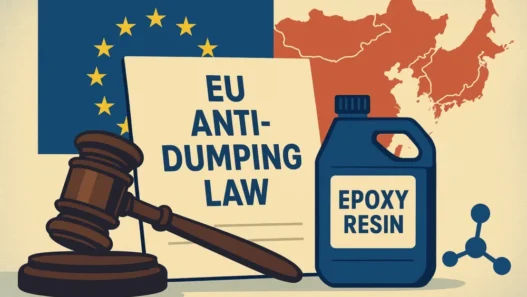
News: China launches anti-dumping investigation into ethylidene norbornene (ENB) imports from the EU and Japan amid ongoing trade tensions (Reuters)
News: China warns the EU against deploying trade defence measures targeting Beijing amid growing economic tensions (Rapporteur)
Analysis: China’s growing dominance in clean energy could reshape global economic and geopolitical power (Euronews)
News: European Commission proposes exploring an anti-China deterrence pact amid growing geopolitical tensions (Rapporteur)
Update (28.10.2026): Commentary: China’s technological rise offers lessons for Europe’s pursuit of digital sovereignty (Rapporteur)
Update (28.10.2026): News: EU business chief cautions against focusing solely on China’s trade surplus (Rapporteur)
Update (26.10.2026): News: German President Frank-Walter Steinmeier prepares China visit amid growing trade tensions and calls for fair competition (South China Morning Post, Pollar News)
Update (20.10.2026): Analysis: How economic chokepoints risk trapping the US in geopolitical confrontation (Foreign Affairs)
Update (20.10.2026): News: China threatens retaliation if UK follows EU tariffs (POLITICO)
Update (19.10.2026): Commentary: Europe’s new trade instrument cannot come soon enough (Rapporteur⁠)
Update (15.10.2026): Analysis: Beijing seeks to reduce European influence over Chinese systems (ECFR⁠)
Update (15.10.2026): News: Von der Leyen considers new restrictions on Chinese chemicals and machinery (POLITICO⁠)
Update (15.10.2026): Interview: China expert Noah Barkin sees growing EU unity on tougher China trade policy after Germany’s shift (Euronews⁠)
Update (15.10.2026): News: UK signals possible alignment with EU tariffs on Chinese EVs (POLITICO⁠)
Update (14.10.2026): Interview: MEP Bernd Lange calls EU-China talks a ‘good starting point’ (YouTube⁠)
Update (14.10.2026): Analysis: Šefčovič’s China trade breakthrough (POLITICO⁠)
Update (12.10.2026): News: EU says hybrid car deal with China will not prevent further trade measures against Beijing (Rapporteur⁠)
Update (12.10.2026): News: China gives more details about trade talk with EU trade chief Maroš Šefčovič (Reuters)
Update (11.10.2026): News: Macron calls for EU preference in the automotive industry amid growing Chinese competition at Paris Motor Show (Euronews⁠)
Update (10.10.2026): Analysis: EU faces mounting pressure from China amid escalating trade tensions (Rapporteur⁠)
Update (09.10.2026): News: EU trade chief hails crucial first step as talks with Beijing help avert a trade war (EUobserver⁠)
Update (09.10.2026): News: EU and China reach understanding to curb Chinese hybrid car exports to Europe (POLITICO⁠)
Update (08.10.2026): Analysis: EU trade chief Maroš Šefčovič faces Brussels’ limited leverage in trade negotiations (EUobserver)
Update (07.10.2026): Analysis: Europe faces three tests in reducing dependence on China and countering Chinese economic coercion (ECFR⁠)
Update (06.10.2026): News: EU trade chief heads to China with low expectations(EUobserver⁠), Rapporteur)
Update (05.10.2026): News: Merz and Macron push tougher EU trade response to China (POLITICO⁠)
Update (04.10.2026): News: Britain expected to impose tariffs on Chinese electric vehicles (Reuters⁠)
Update (01.10.2026): Commentary: EU unity and leverage will determine whether it can stand up to China on trade (Carnegie Europe⁠)
Update (30.09.2026): News: China vows response if EU introduces measures targeting Chinese trade (Reuters⁠)
Update (29.09.2026): News: EU eyes tariffs on Chinese goods with new trade weapon (Rapporteur⁠)
Update (28.09.2026): Analysis: EU-China trade showdown increasingly appears inevitable (Internationale Politik Quarterly⁠) 
Update (18.09.2026): News: Beijing urges EU to weaken ‘Made in Europe’ industrial bill (EUobserver⁠)
Update (17.09.2026): Analysis: EU firms redesign supply chains amid geopolitical risks (EIB⁠)
Update (17.09.2026): News: EU asks China to voluntarily limit hybrid car exports (Financial Times⁠)
Update (16.09.2026): News: Von der Leyen warns EU-China trade deficit has hit ‘tipping point’ (POLITICO⁠)
Update (15.09.2026): Analysis: European businesses caught between US-China trade and tech war (POLITICO⁠)
Update (11.09.2026): News from China: Chinese experts warn EU protectionism cannot fix industrial woes (Global Times⁠)
Update (09.09.2026): News: EU spirits exports squeezed by US-China trade tensions (Euractiv⁠)
Update (08.09.2026): News: EU warns China to buy more European goods or risk trade war (Euractiv⁠)
Update (08.09.2026): News: China’s exports accelerate on autos and high-tech goods (Euronews⁠)
Update (07.09.2026): News: Commission proposes anti-China EU procurement rules (Euractiv⁠)
Update (02.09.2026): Interview: Šefčovič warns China of harsher measures by October (YouTube)
Update (02.09.2026): News: Think tank urges UK-EU cooperation against China (POLITICO)
Update (01.09.2026): Analysis: EU split over courting Chinese factories (EUobserver)
Update (31.08.2026): News: EU seeks to curb Chinese exports (POLITICO)
Update (31.08.2026): Commentary from China: Europe risks miscalculating a trade war with China (Global Times⁠) 
Update (31.08.2026): News: Hoekstra says Beijing weaponised clean-tech dominance (Euractiv)
Update (31.08.2026): Interview: Hoekstra says China isn’t playing by trade rules (YouTube)
Update (27.08.2026): Dutch think tank urges tougher China tariffs (EUobserver)
Update (27.08.2026): Von der Leyen warns China on trade (Euractiv)
Quick Brief:
The EU recorded a €21.8 billion goods deficit in Q2 (April–June) 2026, after a €6.7 billion surplus in Q1 (January–March)
The main driver was energy: the deficit in energy products widened to €101.1 billion
Imports rose by €63.4 billion, considerably more than the €34.9 billion increase in exports
The EU’s trade deficit with China reached €103.3 billion in Q2, adding to concerns over European industrial competitiveness
Sources: Eurostat, Euractiv
Transparency Note: Use of AI
read
EU Public PolicyEU KIDS ActEuropean CommissionKIDS ActSocial Media

EU KIDS Act Propose Age-Dependent Restrictions on Social Media Use

The European Commission proposes an age-dependent use of social media for kids and teenagers in the EU.
Updates
News: European Commission’s freeze on national social media bans sparks tensions among EU member states (Rapporteur)
Update (29.10.2026): News: European Commission freezes decisions on national social media bans (Rapporteur)
Update (27.10.2026): News: European capitals push back against Brussels over national social media bans (POLITICO)
Update (22.10.2026): News: EU considers banning beauty filters and social media likes for children (Rapporteur)
Update (12.10.2026): Commentary: EU social media ban proposal should not be dismissed despite concerns over its implementation (Rapporteur⁠)
Update (21.09.2026): Analysis: Can the EU protect children from social media harms? (Euronews⁠)
Quick Brief:
The European Commission introduces a new KIDS Act to shape an age-dependent approach to social media use for children in the EU
Under 13: children will not be able to access social media services. They can still use child-friendly video-sharing services through an account managed by a parent or guardian.
Age 13 to under 15: children can use social media through a mini account managed by a parent or guardian, with limited features and a time restriction of 1 hour per day.
From age 15 onwards: children will be able to open and manage their own social media account.
Source: European Commission, EUObserver
Further Sources:
13.07.2026 - Analysis: EU expert panel recommends banning social media access for children under 13 (European Commission⁠)
read
Foreign PolicyInside EuropeLatin AmericaAndorraAntónio CostaEuropean UnionIbero-American SummitJavier MileiKing Felipe VIMadridPortugalSpain

Madrid Hosts the Ibero-American Summit

Spain hosts the 30th Ibero-American Summit on 4 and 5 November, with European Council President António Costa attending and the presidents of Brazil and Mexico sending their foreign ministers instead.
Updates
News: Ukrainian President Volodymyr Zelenskyy makes surprise visit to Madrid for talks with Spanish Prime Minister Pedro Sánchez and Latin American leaders (Euronews)
The summit: Spain hosts the 22-country forum in Madrid, with King Felipe VI chairing the leaders’ plenary on 5 November. Argentina’s Javier Milei is attending, while Brazil’s Lula da Silva and Mexico’s Claudia Sheinbaum are absent
European participation: Portugal and Andorra are full members alongside Spain. President António José Seguro and Prime Minister Luís Montenegro represent Portugal, and Prime Minister Xavier Espot represents Andorra. Germany, France and Italy are among the countries with observer status. Costa attends as European Council president
The agenda: Spain is pushing for cooperation on artificial intelligence, disaster response, care policy and mutual recognition of academic qualifications
What’s at stake: The summit gives the EU a forum for dialogue with Latin American partners. Spain is seeking agreement on a Madrid Declaration after the 2024 summit ended without a joint declaration
Sources: RTVE⁠, European Council⁠, La Moncloa⁠
Transparency Note: Prepared with AI assistance.
read
EU EnlargementEU AccessionEU EnlargementEuropean CommissionMarta KosMoldovaReforms

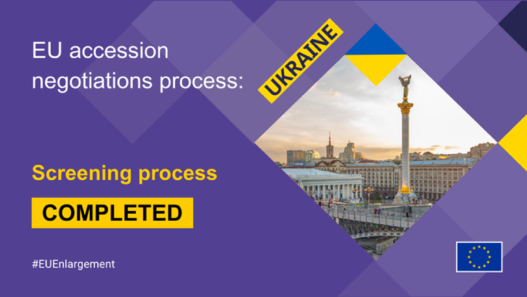
Moldova Deemed EU Enlargement Front-Runner

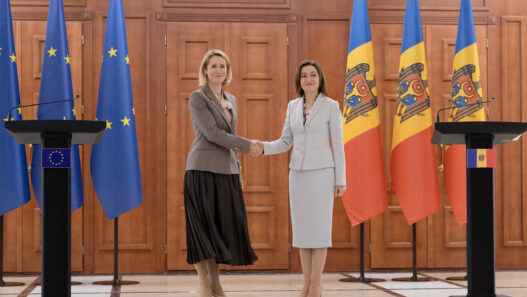
EU Commissioner Marta Kos refers to Moldova as currently the best-performing candidate in the EU Accession pathway.
Moldova is the best performing candidate in the EU Accession reforms according to Commissioner Marta Kos
Moldova, Montenegro and Albania are all on the track to join the EU by 2030
Moldova's progress unfolds amid Russian hybrid threats such as drone incursions and cyberattacks
Nevertheless the country shows "strong determination" to implement reforms
Source: European Commission
read
Energy PolicyInside EuropeMedia and JournalismSecurity & DefenceWar in UkraineAndrey GyurovBlack SeaBulgariaDefenceEuropean UnionIliana YotovaInflationNATOPresidential electionsRumen RadevRussia

Bulgaria Presidential Elections: Pro-Russian-Leaning President Iliana Yotova Wins

Bulgaria elected its president on 1 November in a second round amid divisions over Ukraine, relations with Russia, and Black Sea security.
Updates
News: Reports of Roma voter intimidation emerge in Bulgaria’s presidential election as Iliana Iotova’s victory raises concerns over press freedom (EUObserver)
Update (02.11.2026): News: Bulgaria’s pro-Russian-leaning President Iliana Yotova wins presidential run-off election, according to exit polls (Rapporteur)
Update (01.11.2026): News: Bulgaria’s presidential run-off pits Yotova against Gyurov amid divisions over Russia, Ukraine and Prime Minister Radev (AP News)
Update (29.10.2026): Analysis: Bulgaria’s presidential election raises questions over the next president’s independence from Prime Minister Rumen Radev (EUObserver)
Update (26.10.2026): News: Bulgarian Prime Minister Rumen Radev frames presidential run-off as a choice “between peace and war” amid growing Black Sea security concerns (BNT)
Update (25.10.2026): News: Bulgaria’s presidential rivals Yotova and Gyurov outline competing visions ahead of 1 November run-off, with Gyurov calling for a televised debate (The Sofia Globe, BTA)
Update (25.10.2026): News: Bulgaria heads for closely contested presidential run-off on 1. November following record-low voter turnout (Rapporteur)
Update (24.10.2026): Analysis: Bulgaria’s presidential election tests Rumen Radev’s political influence (EUObserver)
Quick Brief:
The vote: Campaigning has ended ahead of Sunday’s election, with 27 presidential tickets competing. A runoff is scheduled for 1 November if required
Main contenders: President Iliana Yotova, backed by Prime Minister Rumen Radev’s Progressive Bulgaria, faces former caretaker prime minister Andrey Gyurov, supported by pro-European opposition parties
European stakes: Russia’s war against Ukraine and Black Sea security dominate the campaign, alongside energy prices and inflation in the EU and NATO member states
Presidential influence: Most executive power rests with the government, but the president represents Bulgaria internationally, commands the armed forces and can veto legislation
Sources: BTA, AP, Bulgarian Parliament
Transparency Note: Prepared with AI assistance.
read
Climate PolicyEnergy PolicyEnvironmental PolicyEuropean GovernanceInside EuropeCO2 emissionsCombustion-CarsFranceGermanyWeakening of 2035 Rules

Europe’s Combustion-Car Ban: The End?

Germany and France have agreed to seek weaker EU car-emissions rules for 2035, allowing some new combustion-engine cars beyond that date while promoting European production.
Updates
News: European lawmakers push to weaken EU car CO2 emissions targets amid pressure from the automotive industry (Reuters)
Update (20.10.2026): News: EU lawmakers reach agreement to weaken car CO2 targets (Reuters⁠)
Update (19.10.2026): Commentary: Franco-German car deal protects combustion engines, not European jobs (EUobserver⁠)
Quick Brief:
On 16 October, both governments backed a joint position to soften the 2035 rules. This is not yet an EU agreement or a change in law
They propose a 90% reduction in new-car fleet CO₂ emissions against 2021 levels, rather than 100%, without requiring compensation for the remaining emissions
The compromise links Germany’s demand for greater technological flexibility with France’s push to favour European-made components in publicly supported vehicles
Both governments cite competitiveness and jobs. Environmental critics warn that electric-vehicle investment incentives will be weaker. EU governments and Parliament must still agree on legislation
Sources: Élysée, Reuters, Tagesschau
Transparency Note: Use of AI
read
RussiaSports and PoliticsWar in UkraineCourt of Arbitration for SportCzechiaDenmarkEuropean BoycottEuropean CommissionFinlandGermanyIce HockeyIIHFLatviaNorwaySweden

Russia’s Ice Hockey Return Faces European Boycott

Six European countries refuse to face Russia following a court ruling allowing its national teams to return, creating uncertainty for the 2027 World Championship in Germany.
Court ruling: On 30 October, the Court of Arbitration for Sport overturned Russia’s exclusion from five IIHF championships in 2027, covering men’s, women’s and youth national teams
European opposition: Finland, Sweden, Denmark, Norway, Czechia and Latvia refuse to play Russia. Finland links its position to Russia’s continuing war against Ukraine
Federation response: The IIHF will comply but disputes the ruling, citing security, visa and logistical concerns. Implementation remains unresolved
European stakes: Germany warns of consequences for hosting the 2027 tournament. The European Commission stresses that sporting decisions must comply with EU sanctions and restrictions
Sources: IIHF, Reuters, Euronews
Transparency Note: Prepared with AI assistance.
read
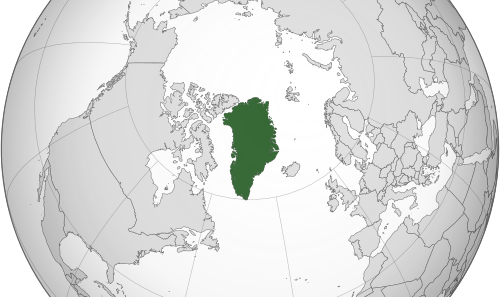
Security & DefenceTransatlantic RelationsArcticGreenland

An Agreement about Greenland: Hope for US-EU Diplomacy?

Trump, Denmark and Greenland signed deal aimed at ending Arctic standoff.
Updates
News: Greenland’s parliament ratifies security deal with US President Donald Trump, paving the way for expanded American military presence (Reuters)
Update (29.09.2026): Commentary: Greenland’s choice of industrial and financial partners now subject to Washington’s approval (Le Monde⁠)
Update (25.09.2026): News: Arctic outpost likely to host US troops under new Greenland deal (Reuters⁠)
Update (23.09.2026): Analysis: Greenland Agreement reshapes US-Danish Arctic security ties (POLITICO⁠)
Update (22.09.2026): News: Trump, Denmark and Greenland sign deal aimed at ending Arctic standoff (Reuters⁠)
Update (20.09.2026): Commentary: Greenland deal offers hope for US-EU diplomacy (EUobserver⁠) 
Update (19.09.2026): News: Denmark and Greenland say US deal will not compromise sovereignty (Reuters⁠)
Update (18.09.2026): News: US and Denmark reach Greenland security agreement after Trump annexation threats (BBC⁠)
Update (18.09.2026): News: Trump-linked US investors buy property for former Greenland minister (Euractiv⁠) 
Quick Brief, 22 May:
Around 1,000 protesters chanted “Greenland belongs to Greenlanders.”
Activists rejected US influence and Trump’s Arctic ambitions
Several Greenlandic leaders boycotted the opening ceremony
The event exposed tensions over growing US geopolitical interest in Greenland
Source: Euractiv
read

From Digital Readiness to Economic Results in Hungary

Policy Paper

This analysis discovers Hungary’s digital ecosystem, revealing its strengths and weaknesses. By connecting quantitative data about the country’s digital economy sectors with the broader geopolitical context, the analysis describes how a well-strategized improvement in Hungary’s digital economy could lead to geopolitical leverage, not only in the Danube region but also in the European Union. By connecting Western capital with the Eastern growth market, the state could overcome the main challenge most countries face in the case of the digital economy and evolve from an agenda-taker to an agenda-setter actor, with increased leverage within the European Union.

open access View full paper

Venezuela: The country at the intersection of the Monroe Doctrine and energy dominance

Policy Paper

The United States’ action in Venezuela in early January sparked lively debate around the world, focusing primarily on the country’s oil reserves and their future. Our analysis also fits into this narrative, examining the events in Venezuela and the possible chain reactions of US intervention in light of Washington’s pursuit of energy dominance. We hypothesize that, for Washington, Venezuela’s oil reserves could bring more than just influence over the global price of crude oil. At the regional level, the US could increase its influence over Cuba, while also appearing to defuse the territorial conflict between Venezuela and Guyana, which has become increasingly heated in recent years. At the global level, bringing Venezuela’s oil wealth under US control could be part of a strategy to strengthen the US position vis-à-vis both OPEC and China, the world’s largest oil importer. Moreover, developments could even have an impact on Russia. America’s push for energy dominance of this kind, as well as the occurrence and impact of its possible chain reactions, depends on several factors, starting with the resolution of security, economic, and oil sector issues in Venezuela, as well as the level of control America may be able to gain over other OPEC members, such as Iraq or Iran.

open access View full paper

No Autonomy Without Access: Europe’s Maritime Dependence and the Limits of Strategic Autonomy

Policy Paper

Strategic autonomy has become the EU’s shorthand for greater agency, but at sea autonomy depends first on access. Europe’s economy and security rely on sea-borne trade, maritime chokepoints, and seabed infrastructure that carries energy and data; these arteries can be disrupted cheaply and ambiguously below the threshold of open conflict. The paper asks to what extent EU maritime strategic autonomy relies on security provisions outside EU control and what institutional and operational steps can reduce this vulnerability. It develops a conceptual framework linking strategic autonomy to sea-power thinking and weaponized interdependence, treating chokepoints and seabed systems as leverage sites where disruption quickly generates economic risk and political urgency. The analysis finds that EU maritime governance tools and mission-based operations can mitigate crises but does not yet provide a durable, multi-theatre access guarantee. High-end enablers (ISR, logistics, command integration, surge) remain largely U.S.-enabled through NATO. The paper proposes recalibrating autonomy as layered access management: Sense (domain awareness and attribution), Shield (resilience, redundancy, rapid repair and legal clarity), and Surge (readiness and pre-agreed force packages), increasing Europe’s contribution while staying NATO-compatible. Key words: strategic autonomy; maritime security; seabed infrastructure, interdependence

open access View full paper

The (im)possible mission of holding Frontex accountable – An analysis of the different direct fundamental rights accountability mechanisms.

Bachelor's Thesis

Border protection and control is a human rights sensitive field and Frontex, the European Border and Coast Guard Agency, is working in it. Thus, there is a need to give a possibility to hold Frontex accountability if it breaches fundamental rights. After all, as stated by Article 47 of the Charter, “[everyone] whose rights and freedoms guaranteed by the law of the Union are violated has the right to an effective remedy before a tribunal”. Although the importance of accountability is undisputable, holding Frontex accountable is easier said than done. This is due to the Agency only coordinating and organising with Member States and supporting them. Besides the option to hold the Agency directly accountable before the Court of Justice, there is only one internal mechanism allowing victims to complain directly to the Agency, but all of these possibilities have one thing in common, namely that their effectiveness is disputed. This includes criticisms on the access to the mechanisms, them not considering the vulnerable position of the refugees and their impartiality, which makes it relevant to raise the question: How can the external and internal direct accountability mechanisms of the European Border and Coast Guard Agency be evaluated in light of the way they operate and the challenges they face in ensuring accountability for fundamental rights violations? In order to answer this question, the essay will first have a closer look at the external accountability through CJEU Actions and then discuss internal accountability through the Individual Complaint Mechanism. In their respective chapters, the accountability mechanisms will be described, analysed and tested against the research question. The analysis will make it possible to conclude on the question posed and to offer recommendations for the improvement of the mechanisms.

open access View full paper

Die Konstruktion von Öffentlichkeit in der digitalen EU-Bürgerbeteiligungsplattform

Term Paper

Wie verändert sich Öffentlichkeit, wenn politische Diskussionen auf staatlich geschaffene digitale Plattformen verlagert werden? Am Beispiel der EU-Bürgerbeteiligungsplattform analysiert diese Arbeit, ob hier tatsächlich neue Räume für öffentliche Aushandlung entstehen – oder ob die Vorgaben und Moderation eher eine gelenkte Form von Öffentlichkeit schaffen. Im Fokus stehen die Chancen, Grenzen und der konkrete Nutzen solcher Plattformen für die politische Teilhabe. Ziel ist es, neue Perspektiven für die Analyse und Gestaltung digitaler Öffentlichkeiten zu eröffnen. How does the concept of the public sphere change when political discussions are shifted to state-created digital platforms? Using the example of the EU citizen participation platform, this paper analyses whether truly new spaces for public deliberation are emerging, – or whether official guidelines and moderation are instead creating a steered form of publicness. The focus is on opportunities, limitations, and tangible benefits of such platforms for political participation. The aim is to open up new perspectives for analyzing and shaping digital public spheres

open access View full paper

Krieg in Europa: Russlands „Militärische Spezialoperation“

Bachelor's Thesis

The Russian attack on Ukraine on 24 February 2022 marks a serious turning point in the European security order and raises fundamental questions about the causes of international conflicts. This thesis examines the motives behind Russia’s so-called ‘special military operation’ on the basis of two central theories of international relations: neorealism and constructivism. With the help of a theory-led congruence analysis, the extent to which these theories can contribute to explaining Russia’s behaviour is analysed. (German Original) Der russische Angriff auf die Ukraine am 24. Februar 2022 markiert eine gravierende Zäsur in der europäischen Sicherheitsordnung und wirft fundamentale Fragen über die Ursachen internationaler Konflikte auf. Diese Arbeit untersucht die Beweggründe für die sogenannte „militärische Spezialoperation“ Russlands auf Grundlage zweier zentraler Theorien der Internationalen Beziehungen: dem Neorealismus und dem Konstruktivismus. Mithilfe einer theoriegeleiteten Kongruenzanalyse wird analysiert, inwiefern diese Theorien zur Erklärung des russischen Verhaltens beitragen können.

open access View full paper

The Colonized Connection and International Irishness

Master's Thesis

Throughout the summer of 2023, Ireland’s citizens and political leaders alike were largely in agreement on the issue of Israel and Palestine, and specifically, that Ireland needed to do more to assist in reaching a solution to the conflict. As a traditionally isolationist, neutral state on Europe’s periphery, Ireland has traditionally not concerned itself with the actions of other states so far away from its borders – fearful of appearing partial. Yet upon closer inspection, this recent round of debate (on this occasion sparked by Israel’s incursion into Jenin Refugee Camp in July) represents simply the latest development of Ireland’s historic sympathies and moral support with the people of Palestine. What makes this occasion unique, however, is that Ireland’s political leaders are in agreement that the Emerald Isle must do more. As other European neutrals abandon their neutrality for NATO membership, Ireland’s leaders may be correct. The current thesis aimed to explore how the Republic of Ireland’s national identity is undergoing a transformation through foreign policy discourses. It is believed that Ireland’s political leadership are utilising the Israel- Palestine conflict, one with which Ireland can identify with, to change its national identity away from a passive neutral state on Europe’s periphery to an international moral superpower – that can truly demonstrate the power of active neutrality. The current thesis adopts a historicist-social constructivist lens and utilises Ruth Wodak’s DHA variant of CDA to analyse the discourse of Ireland’s top politicians surrounding two case study events roughly two decades apart. These events were the 2002 ‘Battle for Jenin’ and the 2023 ‘Jenin Incursion.’ It was believed that by examining the discourse surrounding these two events, one may understand how Ireland’s political leadership is changing Ireland’s neutral foreign policy, and thus national identity, from passive to active – and from isolated to moral superpower. To examine the extent that Ireland may be positioning itself to be the EU’s moral superpower, a brief illustrative case study comparison with Austria is adopted. The adoption of this case study provided the author with the opportunity to discuss how Ireland’s political leadership is contributing to this transformation. Though Ireland may be some time away from fully realising this identity, a difference was observed in the discourse of both sets of Irish politicians, twenty years apart. Ireland now realises its ability to influence the world on such matters, and has confidence in its ability to lead on foreign policy issues.

open access View full paper

Viability & Implementation of European Strategic Autonomy in Defence

Policy Paper

Recent remarks and long-held positions by former and current US officials have underscored the urgency of European nations meeting their defense spending commitments within NATO . Such statements have reignited debates regarding Europe’s capacity to guarantee its security independently, against the backdrop of the two year anniversary and the decade long struggle for peace in the War in Ukraine, taking place in a political climate of election outcome uncertainty within the Alliance in 2024. European States have committed themselves to boost defense capabilities, increase defense budgets and further cooperation , which has in fact led to a „unprecedented rise“ of 11% in defense spending in 2023 alone. The internal sovereignty of the EU’s member states and their vastly different capabilities and policies on security however, together with the integration of NATO, of most EU Member states, have formed a vague and ambiguous system that guarantees strategic and territorial security within the mutual defense clauses of the NATO Framework, but doesn’t for see or stipulate a joint European force or alternative, despite the long term objectives found in the EUGS . Cooperation in a collective 5 defense strategy still remains contentious and efforts to ensure efficiency and interoperability remain limited. This policy paper examines the viability of establishing a joint EU coordinating force based on existing structures to integrate member states’ militaries more effectively. While advocating for this approach as the primary recommendation, alternative policy options will also be explored.
open access View full paper